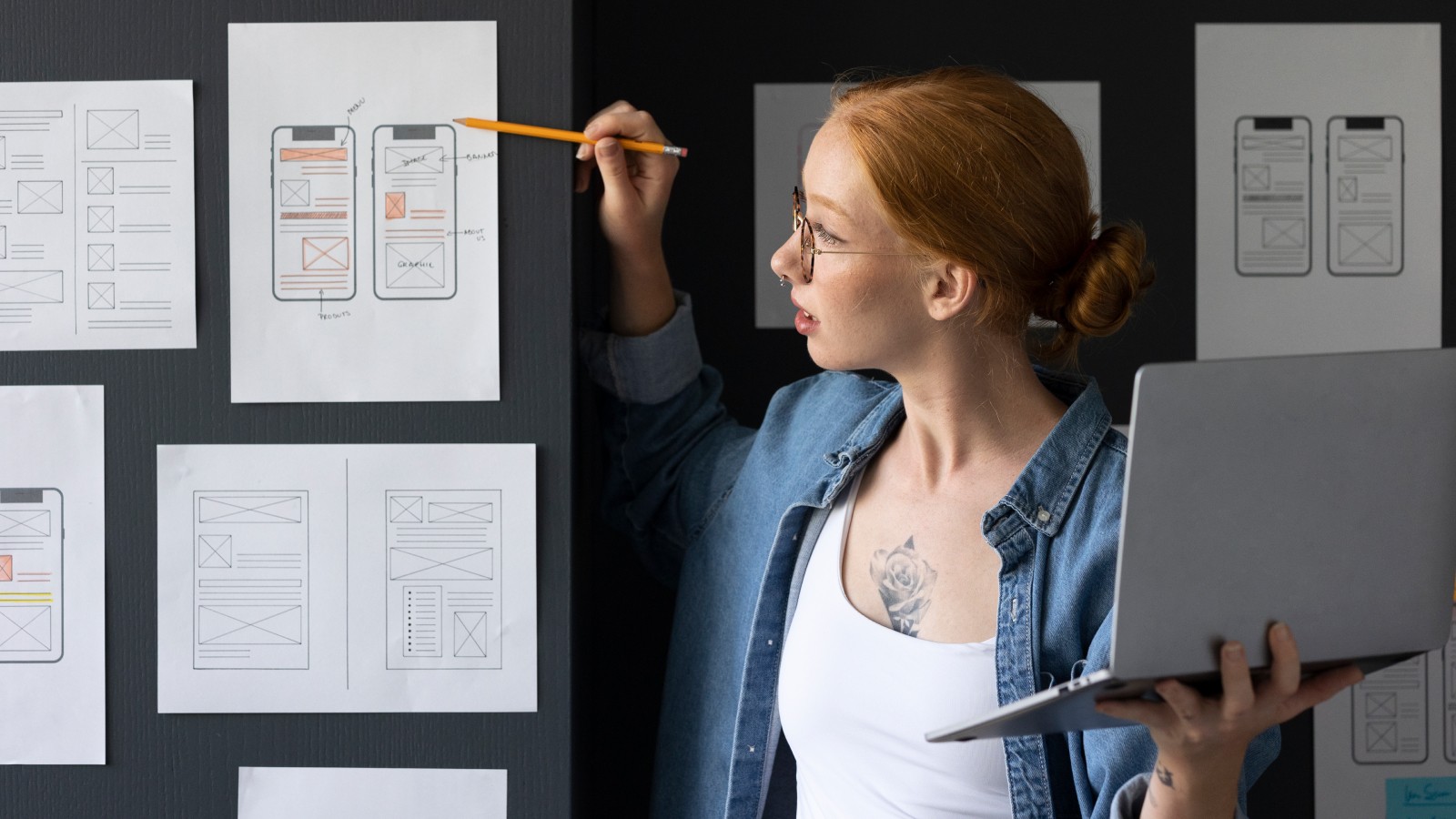
What is UX Design?
Definition
UX Design refers to the process of creating products that provide meaningful and relevant experiences to users. This involves aspects of branding, design, usability, and function.
Importance
UX Design is critical in the tech world, as it directly influences user engagement, satisfaction, and loyalty. A well-designed user experience can significantly impact a product's success by ensuring that products meet the users' needs in an intuitive and enjoyable way.
Advantages
Enhances user satisfaction
Increases user engagement
Drives brand loyalty
Provides competitive edge
Improves product usability
Disadvantages
Can be time-consuming
Requires constant iteration
Potentially high costs
Needs diverse skill sets
Subject to rapid tech changes
Principles of UX Design
User-Centricity: Designs are made with the end-user in mind, ensuring that user needs and preferences are prioritized.
Consistency: Maintaining uniformity across the product to avoid user confusion.
Simplicity: Keeping the design simple and intuitive to enhance user understanding and interaction.
Feedback: Providing immediate and clear feedback in response to user actions.
Accessibility: Ensuring that products are accessible to users of all abilities and backgrounds.
Usability: Focusing on making products easy to use and learn.
Aesthetics: Ensuring the visual appeal of the product without compromising functionality.
Emotionally Engaging: Creating a connection with the user through the design, often leading to higher user retention.
Efficiency: Optimizing designs for quick and effective task completion.
Testing and Iteration: Continuously testing and refining the design based on user feedback and behavior.
Historical Context
UX Design has its roots in the early days of human-computer interaction and has evolved with the advancement of technology. The term itself was popularized by Don Norman in the 1990s when he worked at Apple. It has since become a pivotal aspect of product development, especially in the digital sphere. Notable dates include the introduction of the Graphical User Interface (GUI) in the 1980s, which revolutionized how users interact with computers, and the rise of mobile and web applications in the 2000s, which further underscored the importance of UX in daily technology use.
UX Design vs. UI Design
While UX Design focuses on the overall feel of the product and user experience, UI (User Interface) Design is about how the product is laid out. UI is a component of UX but specifically deals with the aesthetics and interactive elements of a design.
Frequently Asked Questions
What is the difference between UX and UI design? UX design focuses on the overall user experience, while UI design is specific to the interfaces through which users interact with products.
How does UX design impact a business? Effective UX design can lead to increased user satisfaction, higher engagement rates, and improved brand loyalty.
Can UX design be measured? Yes, through metrics like user engagement, conversion rates, and usability testing results.
What skills are essential for a UX designer? Skills include user research, wireframing, prototyping, user testing, and a good understanding of design principles.
Is UX design only for digital products? While commonly associated with digital products, UX design principles can be applied to any product or service.
How do UX designers conduct research? They use various methods, including surveys, interviews, and usability testing.
What is a UX design process? It typically involves research, design, prototyping, testing, and iteration.
How long does the UX design process take? It varies depending on the project scope but generally involves several iterations.
What tools do UX designers use? Common tools include Sketch, Adobe XD, Figma, and InVision.
How does UX design relate to customer service? Good UX design can enhance customer service by creating more intuitive and user-friendly experiences.
Conclusion
UX Design is a crucial element in the success of tech startups, influencing how users interact with and perceive products. Its principles and practices ensure that products are not just functional but also enjoyable and intuitive to use, thereby playing a key role in user satisfaction and business success.
Relevant articles
Need a Product Designer?
Get in touch with me for a no-obligation chat about your project.