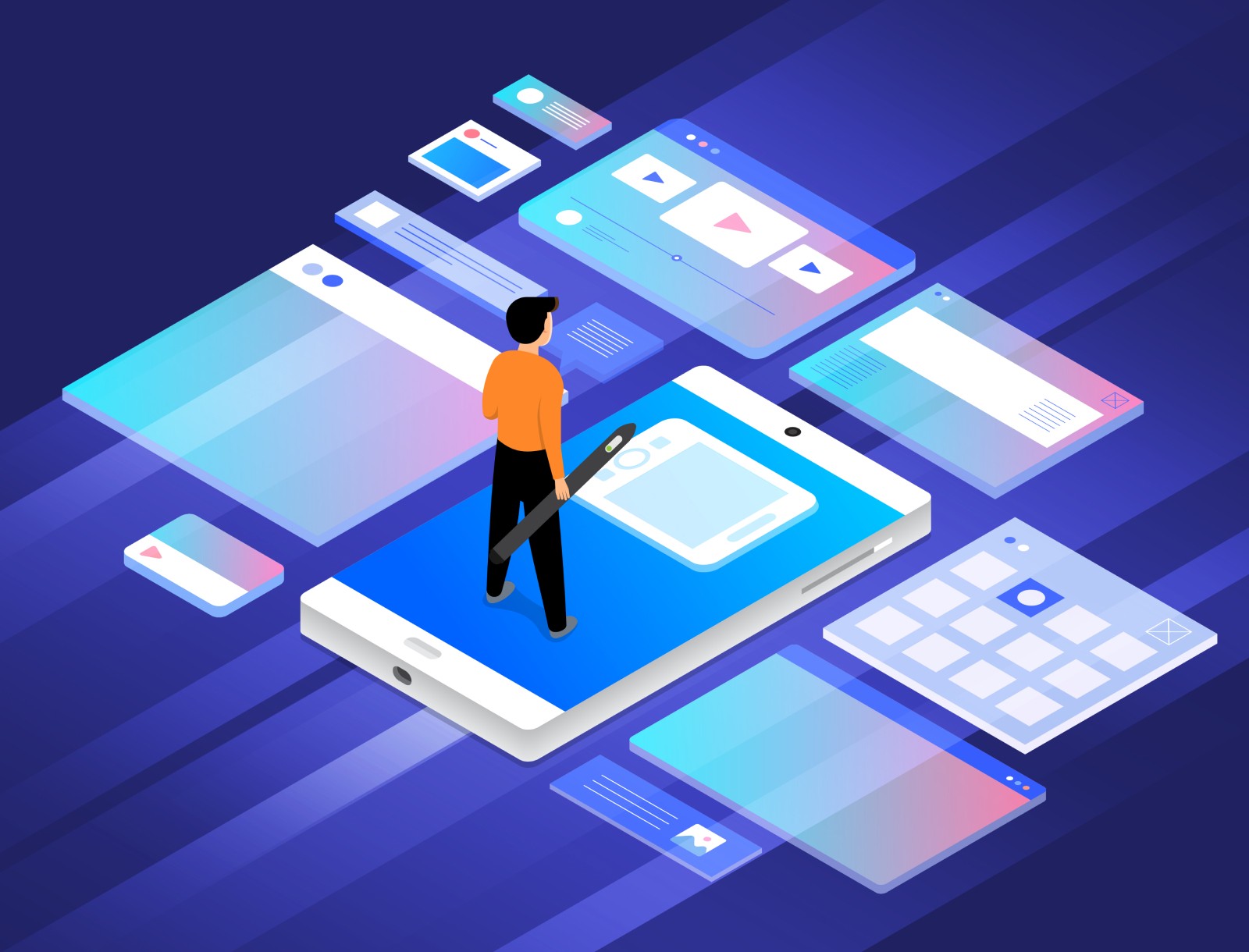
What is User Interface Design?
Definition
User Interface Design refers to the process of designing interfaces in software or computerised devices, emphasising the aesthetics and interactive elements that users interact with.
Importance
In the realm of tech startups, UI Design is crucial as it forms the first impression of a product. A well-designed interface can significantly enhance user experience, improve usability, and contribute to the overall success of the product.
Principles of User Interface Design
Clarity: The design should be self-explanatory and easy to understand.
Consistency: Consistent design elements help users learn and navigate the interface more easily.
Familiarity: Using familiar elements to increase user comfort and reduce learning time.
Aesthetics: A visually appealing design can significantly enhance user experience.
Efficiency: Designing for quicker and more efficient user interactions.
Responsiveness: Ensuring the interface responds quickly and appropriately to user input.
Feedback: Providing clear and immediate feedback for user actions.
Accessibility: Making the interface usable for people of all abilities.
User Control: Giving users control over their interactions, enhancing their experience.
Simplicity: Avoiding unnecessary elements to reduce user cognitive load.
Historical Context
The history of UI Design is deeply intertwined with the evolution of computers and software. From the early text-based interfaces of the 1970s to the advent of Graphical User Interfaces (GUIs) in the 1980s, UI Design has been pivotal in making technology accessible and user-friendly.
The explosion of the internet and mobile devices in the late 1990s and 2000s brought new challenges and innovations in UI Design, focusing on responsiveness and mobile-first approaches.
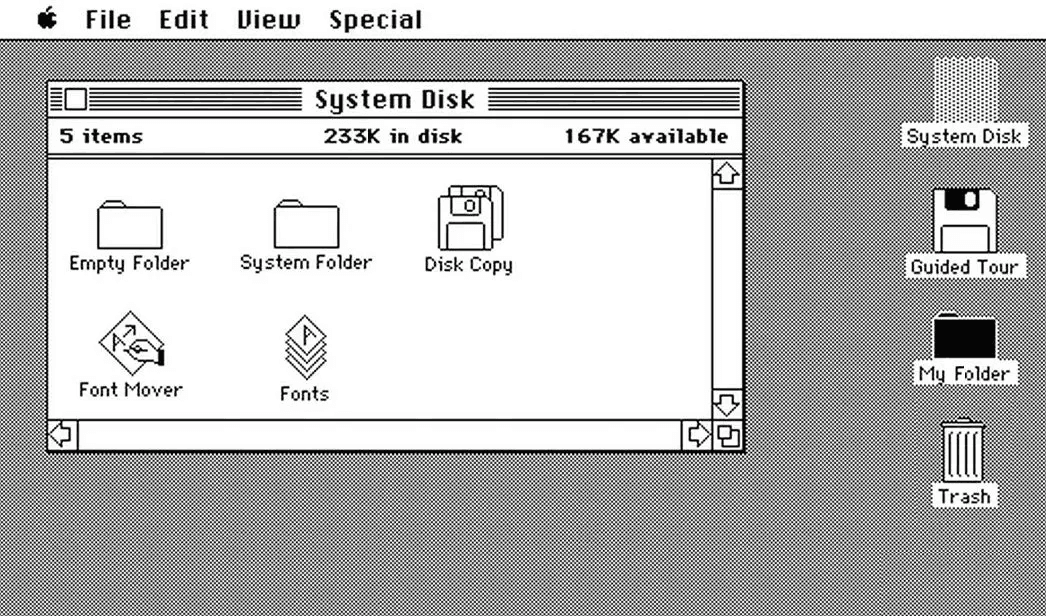
1984 UI design for Apple’s newest device, the Macintosh.
UI Design vs UX Design
UI Design focuses specifically on the interface's visual elements and interactive aspects, whereas UX Design covers the overall experience of a product, including usability, functionality, and user journey.
Frequently Asked Questions
What is the difference between UI and UX design?
UI (User Interface) design is like the paint and polish of a car, focusing on the visual aspects - the layout, the colours, the buttons, and how everything interacts when you touch it. UX (User Experience) design, on the other hand, is like the car's engineering. It's about the overall feel of the experience. Does the car ride smoothly? Is it easy to use? UX design looks at how the entire journey feels from start to finish, including usability, functionality, and even the emotions evoked during the interaction.
Why is UI design important for startups?
For startups, UI design is your handshake with the user. It's the first thing they see, and first impressions matter. A well-designed UI can captivate users, making your product usable and enjoyable. It's like walking into a well-decorated room; it makes you want to stay. This is crucial for startups where user engagement and satisfaction can make or break the business. A good UI design can turn casual users into loyal customers.
Can UI design affect a product's success?
Absolutely. Imagine UI design as the front-line soldier in the battle for user attention. It's what users interact with every time they use your product. If it's clunky or unattractive, users might leave and never come back. But if it's smooth, intuitive, and pleasing, it can significantly enhance user satisfaction, leading to higher retention rates, better reviews, and, ultimately, the product's success.
What skills are required for UI design?
UI design is a blend of art and psychology. It requires graphic design skills to create visually appealing layouts. Branding knowledge is essential to ensure the design aligns with the company's identity. Colour theory helps in choosing colours that not only look good but also convey the right message. Understanding user psychology is crucial to creating interfaces that resonate with users, meet their needs, and make their interaction with your product a joy rather than a chore.
How do UI designers work with developers?
UI designers and developers work together like architects and builders. Designers create the blueprint (the design), and developers bring it to life. They collaborate closely to ensure that the design is beautiful and technically feasible. This teamwork is vital to ensure that the final product looks as good as it was designed and functions seamlessly.
What tools do UI designers use?
UI designers use a variety of tools to bring their ideas to life. Figma stands out for its collaborative capabilities, allowing designers to work together in real time. Sketch is popular for its simplicity and vector-based features. Adobe XD offers a range of tools for designing and prototyping. These tools help designers create, prototype, and share their designs, making the design process more efficient and effective.
Is UI design just about aesthetics?
While aesthetics are a big part of UI design, it's not just about making things look pretty. It's also about making sure the product is functional and accessible. Good UI design ensures that users can easily find what they need and accomplish their tasks without confusion or frustration. It's a balance between beauty and usability.
Can UI design improve usability?
Definitely, a well-thought-out UI design can make a complex system feel simple. It's about organizing information in a way that's easy to understand and navigate. Good UI design guides users through a product, making complex tasks feel straightforward. It's like having a good map; it makes the journey easier and more enjoyable.
What is a responsive UI design?
Responsive UI design is like water; it takes the shape of its container. It means designing interfaces that adapt gracefully to different screen sizes and devices. Whether it's a huge desktop monitor or a small mobile phone, responsive design ensures that the user experience remains consistent and seamless. It's about creating flexible layouts and using techniques like fluid grids and flexible images to maintain usability and aesthetics across all devices.
Conclusion
User Interface Design is a fundamental aspect of product development, particularly in the tech startup ecosystem. It defines the visual identity of a product and plays a key role in user interaction and satisfaction. As technology continues to evolve, so will the principles and practices of UI Design, underscoring its importance in the ever-changing digital landscape.
Relevant articles
Need a Product Designer?
Get in touch with me for a no-obligation chat about your project.